
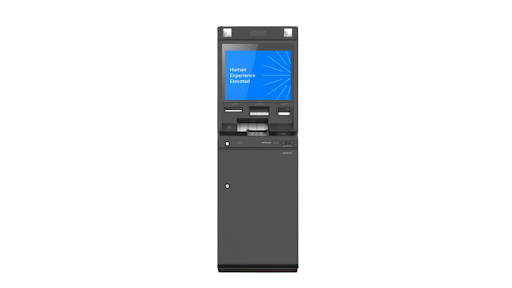
Retail environments are constantly evolving as businesses look for ways to improve customer experience and increase in-store engagement. One growing trend is the addition of financial convenience services inside stores. Many shop owners are now considering an ATM for retail setup because it helps customers access cash quickly while also improving store traffic and transaction opportunities. In busy commercial areas, having cash availability inside a store can influence purchasing decisions and reduce customer drop-offs. This makes ATMs a practical addition for retail spaces aiming to improve convenience and operational value.
Why Retail Stores Use ATMs
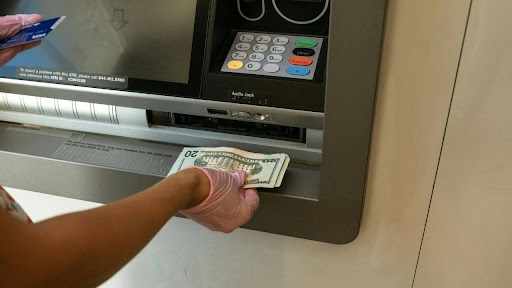
Retail stores operate in high-traffic environments where customer convenience directly affects sales. An ATM for retail allows customers to withdraw cash without leaving the premises, which increases the likelihood of continued shopping.
In many cases, customers who initially enter only for cash withdrawal end up making additional purchases. This creates indirect value for store owners while improving overall customer satisfaction. Retailers in convenience stores, fuel stations, and small supermarkets often benefit the most from this setup due to frequent cash-based transactions.
How ATMs Support Retail Operations
ATMs function as an added service layer within retail businesses. They are connected to banking networks and allow users to withdraw cash for a small transaction fee. While the primary purpose is convenience, the presence of an ATM for retail also increases dwell time inside the store.
Longer customer presence often leads to higher chances of impulse purchases. This makes ATMs not just financial tools but also indirect drivers of retail activity. For store owners, this dual benefit makes ATM installation a strategic decision rather than just an added facility.
Key Factors That Affect ATM Performance in Retail
Several factors influence how well an ATM performs inside a retail location.
Location and Foot Traffic
High foot traffic locations with consistent customer flow tend to generate better ATM usage. Stores near transport hubs, busy streets, or commercial centres usually perform better.
Cash Demand Patterns
Understanding customer cash usage behaviour is important. Areas with higher cash dependency tend to generate more ATM transactions.
Machine Reliability
Consistent uptime is essential. Any downtime can affect both customer experience and potential revenue opportunities for the store.
Security and Placement
Proper placement within the store ensures both visibility and security. Well-monitored areas reduce risks and improve safe usage.
Benefits of Adding an ATM in Retail Spaces
One of the main advantages of installing an ATM is improved customer convenience. Customers prefer locations where they can access multiple services in one place.
It also increases foot traffic, as people may visit the store specifically for cash withdrawal. This naturally increases exposure to products and services offered inside the store.
Another benefit is the potential for additional income through transaction fees, which can contribute to overall store profitability over time.
Operational Considerations
While ATMs provide benefits, they also require ongoing management. Cash replenishment, technical maintenance, and system monitoring are necessary to ensure smooth operation.
Security also plays an important role, as ATMs must be protected from tampering and misuse. Regular servicing helps maintain performance and reduces downtime risks.
Retail owners must also ensure compliance with operational guidelines provided by service networks.
Conclusion
Installing an ATM inside a retail environment can significantly improve customer convenience and support store activity when properly managed. A well-planned atm setup helps increase foot traffic, improve customer satisfaction, and create additional value for business owners. When combined with the right placement strategy and consistent maintenance, retailers can make better use of this system. In many cases, choosing to buy ATM machine systems becomes a long-term operational decision that supports both customer service and business growth.


Write a comment ...