
Access to convenient cash services continues to be valuable for many businesses, especially retail stores, entertainment venues, hospitality locations, and service-based establishments. Installing an ATM can provide customers with easier access to cash while creating additional opportunities for businesses to improve customer convenience. For companies exploring an ATM cash machine for sale, understanding machine types, features, ownership considerations, and operational requirements is essential before making a purchase.
An ATM cash machine for sale can be a useful investment for businesses looking to provide financial services directly at their location. Modern ATMs are designed with advanced security features, reliable transaction processing, and user-friendly interfaces that allow customers to complete cash withdrawals efficiently. Businesses can choose from different ATM models depending on location requirements, transaction volume, and operational goals.
What Is an ATM Cash Machine?
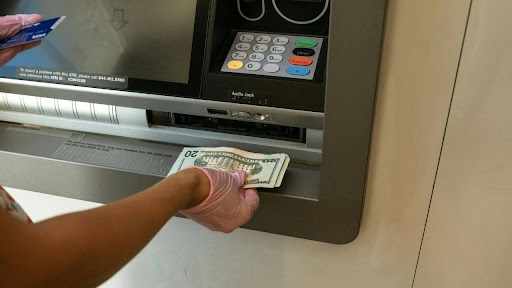
An automated teller machine (ATM) is an electronic device that allows customers to perform basic banking transactions without visiting a bank branch. The most common ATM function is cash withdrawal, but many modern machines can support additional services depending on their configuration.
Typical ATM functions include:
Cash withdrawals
Balance inquiries
Account-related services
Transaction receipts
Card-based authentication
Businesses that install ATMs can offer customers convenient access to cash while potentially increasing foot traffic and improving the overall customer experience.
Why Businesses Consider Buying an ATM
Many businesses choose to purchase ATMs because they provide practical benefits beyond payment convenience.
Increased Customer Convenience
Customers often appreciate having easy access to cash while shopping, dining, or visiting entertainment locations. An on-site ATM can reduce the need for customers to leave the premises to find cash.
Additional Revenue Opportunities
Business owners who operate their own ATMs may earn income through transaction fees, depending on their agreement with payment processors and ATM providers.
Improved Customer Experience
Providing additional services can make a business location more convenient and encourage customers to spend more time at the establishment.
Types of ATM Machines Available
Businesses looking for an ATM should understand the different options available.
Traditional Retail ATMs
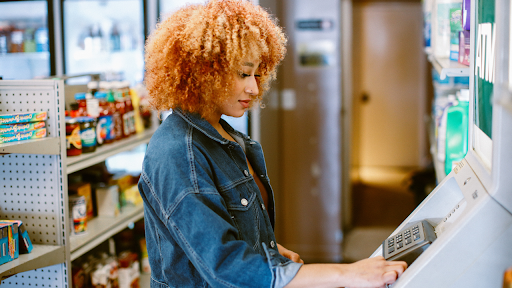
Retail ATMs are commonly installed in stores, restaurants, gas stations, and other customer-facing locations. These machines are designed for regular public use and focus primarily on cash withdrawal services.
Indoor ATMs
Indoor ATMs are suitable for locations where customers access the machine inside a building. They are commonly used in:
Convenience stores
Retail shops
Hotels
Entertainment venues
Outdoor ATMs
Outdoor ATMs are built to withstand environmental conditions and are often installed in locations where customers need access outside regular business hours.
Important Features to Look for in an ATM
When choosing an ATM, businesses should evaluate several features to ensure the machine meets their needs.
Security Features
Security is one of the most important considerations when selecting an ATM. Businesses should look for features that protect customers and transaction information.
Important security elements may include:
Secure card readers
Encrypted communication
PIN protection
Tamper detection systems
User-Friendly Interface
An ATM should provide a simple and clear experience for users. Easy-to-understand instructions, responsive screens, and efficient transaction processing improve customer satisfaction.
Reliable Connectivity
ATMs require dependable connections to process transactions. Stable communication systems help ensure that customers can complete withdrawals without interruptions.
Factors to Consider Before Buying an ATM
Purchasing an ATM involves more than selecting a machine. Businesses should evaluate their location, expected usage, and ongoing responsibilities.
Location Selection
The success of an ATM depends heavily on placement. High-traffic areas generally provide more opportunities for customer use.
Potential locations include:
Shopping areas
Restaurants
Hotels
Entertainment facilities
Convenience stores
Transaction Volume
Businesses should estimate expected transaction frequency before choosing a machine. Higher-traffic locations may require machines designed for frequent use.
Maintenance and Support
Regular maintenance helps keep ATMs operating properly. Businesses should consider support availability, software updates, cash management, and technical assistance when selecting a provider.
ATM Ownership vs. Free Placement Options
Businesses generally have two main approaches when adding an ATM.
Purchasing an ATM
Buying an ATM gives businesses more control over machine placement, operation, and potential revenue opportunities. Owners typically manage decisions related to installation, processing, and maintenance.
Free ATM Placement Programs
Some businesses choose placement programs where an ATM provider installs and manages the machine. This option may reduce upfront costs but usually provides less control over ownership and revenue arrangements.
How ATMs Work With Modern Payment Systems
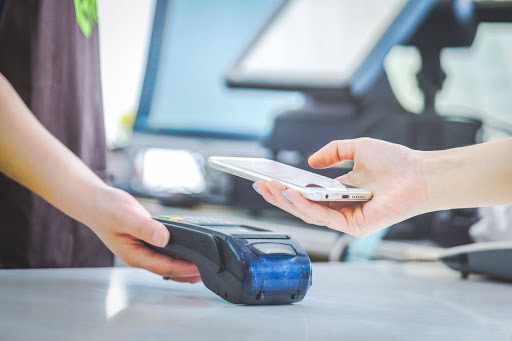
Although ATMs focus primarily on cash access, businesses often use multiple payment technologies together. Modern retail environments frequently combine cash services, card payments, and digital transaction solutions.
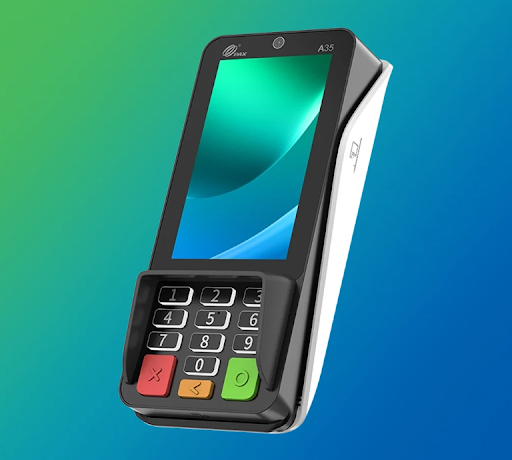
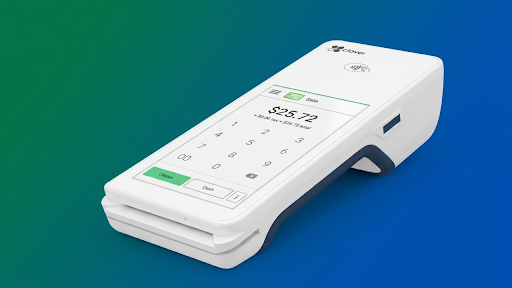
A point of sale POS system helps businesses manage customer purchases, process card payments, track sales information, and improve transaction efficiency. When combined with ATM services, businesses can provide customers with both cash access and convenient payment options.
ATM Maintenance and Management
Owning an ATM requires ongoing management to maintain reliability.
Important responsibilities include:
Cash Management
Businesses must ensure the machine has enough cash available for customer withdrawals while avoiding unnecessary cash storage risks.
Software Updates
Regular updates help maintain security and ensure compatibility with payment networks.
Technical Support
Quick access to support services can reduce downtime and improve customer satisfaction.
Common Mistakes Businesses Make When Buying an ATM
Before purchasing an ATM, businesses should avoid several common mistakes.
These include:
Choosing a machine without considering location needs
Ignoring maintenance requirements
Failing to evaluate transaction volume
Overlooking security features
Not researching service support
Careful planning helps businesses choose an ATM solution that fits their operational goals.
Conclusion
Choosing an ATM cash machine for sale requires careful consideration of business goals, location, security requirements, and ongoing management needs. A well-selected ATM can improve customer convenience, support business operations, and provide valuable financial services. When combined with modern payment solutions such as a point of sale POS system, businesses can create a more complete transaction environment that supports both cash-based and digital payment preferences. As consumer expectations change, businesses are increasingly adopting solutions that combine traditional cash access with advanced payment technology.

Write a comment ...