
The ATM industry continues to offer opportunities for entrepreneurs seeking a business with recurring revenue and relatively low operational overhead. Although digital payments have grown significantly, millions of people still rely on cash for everyday purchases, making ATMs an important financial service in many locations. If you're planning to start an ATM machine business, understanding the business model, startup costs, compliance requirements, and location strategy is essential for long-term success.
A successful start an ATM machine business plan involves more than simply installing an ATM. Entrepreneurs must carefully evaluate high-traffic locations, select reliable equipment, establish processing services, maintain cash availability, and ensure ongoing maintenance. With the right planning and operational strategy, an ATM business can generate consistent income while providing a valuable service to customers. Industry experts continue to highlight location quality and proper management as the biggest factors influencing profitability.
What Is an ATM Machine Business?
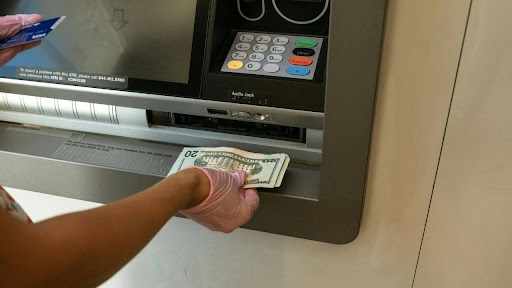
An ATM business involves owning or operating Automated Teller Machines placed in commercial locations where customers pay transaction fees to access cash and banking services.
Common ATM locations include:
Convenience stores
Grocery stores
Hotels
Restaurants
Shopping centres
Entertainment venues
Fuel stations
Nightclubs
Revenue is typically generated through transaction surcharge fees and, depending on the business model, additional processing arrangements.
Why Consider Starting an ATM Business?
Choosing to start an ATM machine business offers several potential advantages.
Some key benefits include:
Recurring transaction-based income
Flexible business model
Relatively low staffing requirements
Scalable growth opportunities
Demand in high-traffic locations
Ongoing customer convenience
Many operators begin with a single machine before gradually expanding their network into multiple locations.
Steps to Start an ATM Machine Business
1. Develop a Business Plan
Start by identifying your investment budget, target locations, expected transaction volume, operating expenses, and long-term growth strategy.
2. Register Your Business
Choose an appropriate business structure, obtain any required registrations, and establish a dedicated business bank account according to local regulations.
3. Select High-Traffic Locations
Successful ATM businesses often depend on strategic placement.
Ideal locations include:
Convenience stores
Bars
Hotels
Tourist attractions
Shopping centres
Busy retail outlets
Higher customer traffic generally leads to increased transaction volumes.
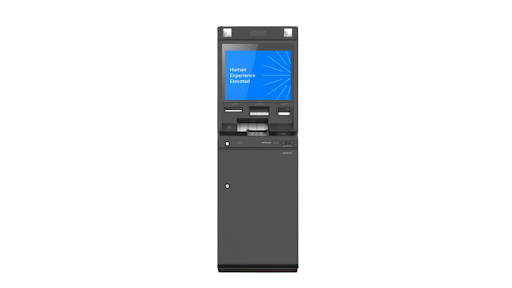
4. Purchase Equipment
When preparing to start an ATM machine business, it is important to select reliable equipment that meets current payment security standards and supports modern transaction methods.
5. Arrange ATM Processing
Every ATM requires secure transaction processing that connects the machine with financial institutions and payment networks.
6. Install and Test the Machine
Professional installation helps ensure proper operation, security, and compliance before the ATM becomes available for customer use.
Factors That Influence Success
Several factors determine the long-term performance of an ATM business.
These include:
Location quality
Customer traffic
Machine reliability
Cash availability
Security
Regular maintenance
Competitive surcharge pricing
Consistent monitoring helps maximize uptime and customer satisfaction.
Ongoing Operational Responsibilities
After launching the business, operators should focus on:
Cash replenishment
Preventive maintenance
Software updates
Security inspections
Transaction monitoring
Customer support
Routine maintenance reduces downtime while extending equipment lifespan.
Common Mistakes to Avoid
Entrepreneurs should avoid several common mistakes when launching an ATM business.
These include:
Selecting low-traffic locations
Underestimating operating costs
Ignoring maintenance requirements
Failing to monitor machine performance
Choosing unreliable processing services
Overlooking compliance requirements
Careful planning helps reduce risk while improving long-term profitability.
Tips for Growing Your ATM Business
As your business expands, consider:
Adding machines to new locations
Monitoring transaction trends
Building strong location partnerships
Investing in modern ATM technology
Improving operational efficiency
Reviewing profitability regularly
A scalable approach allows entrepreneurs to grow steadily while maintaining service quality.
The Future of the ATM Industry
Although digital payments continue to increase, ATMs remain an important part of the financial ecosystem, particularly in cash-dependent businesses and high-traffic retail environments. Modern ATMs now include contactless technology, remote monitoring, predictive maintenance, and enhanced cybersecurity features that improve reliability and customer convenience. Businesses that embrace these advancements are better positioned for long-term operational success.
Conclusion
Deciding to start an ATM machine business requires careful planning, strategic location selection, reliable processing, and ongoing maintenance. Entrepreneurs who focus on customer convenience, operational efficiency, and equipment reliability can build a scalable business with recurring revenue potential. If you're preparing to buy an ATM machine, choosing high-quality equipment and establishing a strong management strategy will help lay the foundation for long-term success. Whether beginning with one machine or planning a larger ATM network, taking time to understand the industry's operational requirements is essential for sustainable growth.


Write a comment ...