
Customers expect retail payments to be convenient, quick, and secure, whether they insert a card, tap a contactless device, or use a mobile wallet. Behind these everyday transactions is a combination of hardware, payment software, communication networks, and security controls. A Payment terminal is one of the most visible parts of this infrastructure because it provides the interface through which customers present payment credentials at checkout. The PCI Security Standards Council describes payment terminals as devices used to capture payment card data through methods such as swiping, dipping, inserting, tapping, or manual entry.
What Is a Payment Terminal?
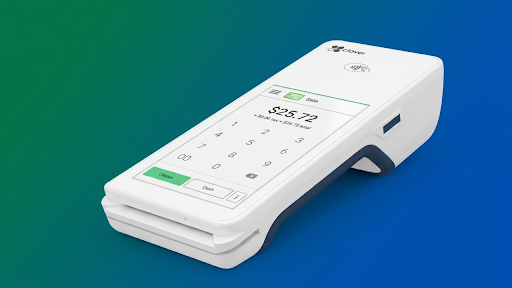
Modern terminals can operate as standalone devices or as components connected to a broader checkout environment. In more advanced retail environments, the terminal may communicate directly with point-of-sale software that manages product information, pricing, inventory, receipts, and transaction records.
A Payment terminal is an electronic device that allows a merchant to accept card and other supported payment methods. Depending on its configuration, a terminal may support contact chip cards, contactless cards, NFC-enabled mobile devices, and other payment technologies.
The terminal communicates with payment-processing systems to send transaction information for authorization. A typical card-present transaction involves the customer presenting a payment instrument, the terminal reading the relevant information, and the transaction being routed through the appropriate payment infrastructure.
What Payment Methods Can Terminals Accept?
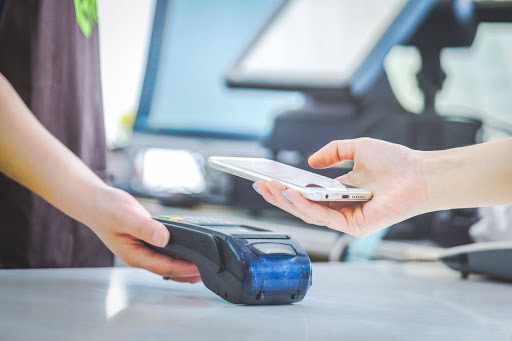
Contactless technology has become increasingly important because consumers can use compatible cards, smartphones, and wearables to complete transactions without physically inserting a card. EMVCo's standards support contactless payments across different acceptance environments.
The capabilities of a Payment terminal depend on its hardware, software, payment processor, and configuration. Common payment methods include:
EMV chip cards
Contactless payment cards
NFC-enabled smartphones
Mobile wallets
Magnetic-stripe cards where supported
Manually entered card information in appropriate circumstances
Some merchants can also use mobile devices themselves to accept contactless payments through technologies such as TapToMobile. This can allow compatible NFC-enabled devices to function as payment acceptance devices without an additional traditional terminal.
Why Is Payment Security Important?
Merchants should maintain terminals according to applicable security requirements and manufacturer guidance. Security settings should not be disabled, and organizations should understand how payment information is handled throughout the transaction environment. Payment terminals directly interact with sensitive payment information, making security an essential consideration. PCI DSS establishes technical and operational requirements intended to protect payment account data for organizations involved in payment-card processing.
How Can Businesses Maintain Reliable Payment Operations?
Reliable payment processing requires more than installing a terminal and leaving it unchanged. Businesses should keep devices physically secure, maintain appropriate software and configurations, monitor connectivity, and follow manufacturer maintenance guidance.
Staff should also know how to recognize suspicious device changes or signs of tampering. Terminals should be inspected according to the organization's security procedures, particularly in environments where customers or unauthorized individuals could access the hardware.
Integration with a wider Payment terminal can also help businesses maintain consistent transaction records and reduce manual processes. However, integration should be implemented with appropriate security controls so that adding functionality does not create unnecessary risks.
Conclusion
Payment technology has developed from basic card-reading devices into integrated systems capable of supporting chip, contactless, and mobile transactions. Security, compatibility, connectivity, and integration should all be considered when selecting and maintaining payment equipment. It may combine payment acceptance with functions such as inventory management, product catalogues, sales reporting, and accounting integrations.
Businesses evaluating a retail point-of-sale system should also consider how the payment terminal will work alongside inventory, reporting, checkout, and other operational functions to create a reliable retail payment environment. Best Products Sales & Service Inc. can help businesses understand these considerations and identify payment technology that aligns with their operational requirements.



Write a comment ...