
The way customers pay for products and services has changed significantly over the years. Businesses today need reliable payment solutions that can support faster transactions, improve customer convenience, and maintain strong security standards. From retail stores and restaurants to service providers and professional businesses, having the right payment technology is essential for smooth daily operations.
A payment terminal is one of the most important tools businesses use to accept electronic payments. These devices allow customers to complete transactions using credit cards, debit cards, contactless payments, and digital wallets while helping businesses process payments efficiently.
Understanding how payment terminals work, their benefits, available features, and their role in modern payment systems can help businesses choose the right solution for their needs.
What Is a Payment Terminal?
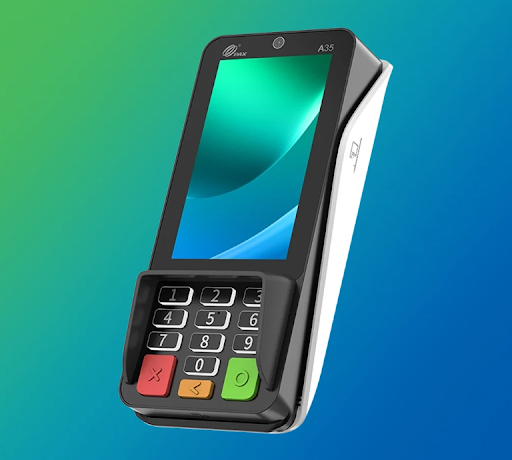
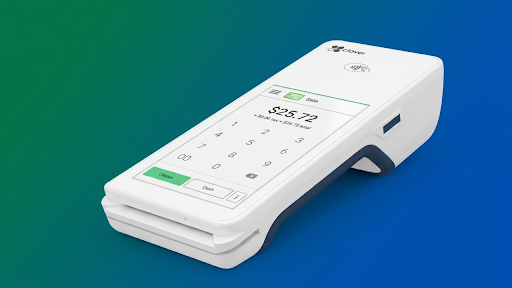
A payment terminal is an electronic device that allows businesses to accept and process customer payments. These devices connect with payment networks to authorize transactions and securely transfer payment information between customers, merchants, and financial institutions.
Modern payment terminals can support various payment methods, including:
Credit cards
Debit cards
Contactless payments
Mobile wallets
Chip-enabled cards
Unlike older card readers, today’s terminals often include advanced features designed to improve security, speed, and customer convenience.
How Does a Payment Terminal Work?
A payment terminal completes a transaction through several steps.
Customer Payment Initiation
The process begins when a customer presents a payment method, such as inserting a card, tapping a contactless device, or using a digital wallet.
Data Encryption and Transmission
The terminal securely captures payment information and encrypts the data before sending it through the payment network.
Encryption helps protect sensitive information during the transaction process.
Payment Authorization
The payment processor communicates with the customer’s bank or card provider to verify available funds and approve or decline the transaction.
Transaction Completion
Once approved, the payment terminal confirms the transaction and may provide a receipt through printing, email, or digital options.
Types of Payment Terminals
Businesses can choose from different types of terminals depending on their operational needs.
Countertop Payment Terminals
Countertop terminals are commonly used in retail stores, restaurants, and fixed business locations. These devices remain connected at a checkout counter and provide reliable payment processing.
They are suitable for businesses with:
Stationary checkout areas
High transaction volumes
Traditional retail environments
Wireless Payment Terminals
Wireless terminals provide flexibility by allowing employees to accept payments away from a fixed checkout area.
They are useful for:
Restaurants with table service
Mobile businesses
Events
Delivery services
Smart Payment Terminals
Smart terminals combine payment processing with additional software features. These devices may support applications for inventory, customer management, receipts, and business analytics.
They provide businesses with more functionality beyond simple payment acceptance.
Benefits of Using Modern Payment Terminals
Faster Transactions
One of the biggest advantages of updated payment technology is faster checkout. Customers expect quick and convenient payment experiences, and modern terminals help reduce waiting times.
Fast transactions can improve:
Customer satisfaction
Checkout efficiency
Business productivity
Improved Payment Security
Security is a major priority for businesses handling electronic payments. Modern terminals include features designed to protect transaction data.
Security capabilities may include:
Encryption technology
Chip card support
Contactless security features
Authentication processes
These protections help reduce risks associated with payment fraud.
Multiple Payment Options
Customers increasingly expect businesses to accept different payment methods. A flexible payment terminal allows businesses to support various preferences.
Offering multiple payment options can improve customer convenience and encourage smoother transactions.
Better Customer Experience
A reliable payment process contributes to the overall customer experience. Features such as contactless payments, digital receipts, and faster processing can make checkout easier and more convenient.
Integration With Business Systems
Many modern payment terminals can connect with other business tools, including:
Point-of-sale systems
Inventory software
Accounting platforms
Customer management systems
This integration helps businesses organize operations and improve efficiency.
Choosing the Right Payment Terminal
Selecting the right terminal depends on several important factors.
Business Type and Requirements
Different industries have different payment needs. A retail store may require a different solution than a restaurant or mobile service provider.
Businesses should consider:
Transaction volume
Customer payment preferences
Operating environment
Required features
Connectivity Options
Payment terminals may use different connection methods, including:
Internet connections
Mobile networks
Wireless technology
Reliable connectivity ensures transactions can be completed smoothly.
Security Features
Businesses should prioritize terminals that support modern security standards.
Important features may include:
Encryption
Secure authentication
Fraud prevention tools
Compliance with payment regulations
Ease of Use
A payment terminal should be simple for both customers and employees to operate. User-friendly designs can reduce training time and improve checkout efficiency.
The Role of Payment Processing Services
A payment terminal works together with payment processing systems that authorize and complete transactions. Reliable merchant credit card processing services help businesses securely accept card payments and manage transaction activity.
These services support essential functions such as:
Payment authorization
Transaction settlement
Data security
Merchant account communication
Choosing suitable processing support ensures that payment terminals operate effectively within a complete payment ecosystem.
Maintaining Payment Terminal Performance
Regular maintenance helps businesses keep payment systems reliable.
Helpful practices include:
Updating software regularly
Checking hardware condition
Protecting devices from damage
Training employees properly
Monitoring transaction issues
A well-maintained terminal reduces disruptions and supports consistent customer service.
Common Industries Using Payment Terminals
Payment terminals are used across many industries, including:
Retail Stores
Retail businesses rely on terminals to process everyday purchases quickly and securely.
Restaurants
Restaurants use payment terminals to provide convenient checkout options, including tableside payments.
Healthcare Providers
Healthcare businesses may use payment terminals to simplify patient payment processes.
Service Businesses
Professional and mobile service providers use terminals to accept payments wherever services are provided.
Future Trends in Payment Terminal Technology
Payment technology continues to develop as customer expectations change. Future payment terminals may include:
More advanced contactless capabilities
Improved biometric security
Greater integration with business software
Enhanced customer personalization
These developments will continue shaping how businesses manage transactions.
Conclusion
A payment terminal is an essential tool for businesses looking to provide secure, efficient, and convenient payment experiences. With support for multiple payment methods, improved security features, and integration capabilities, modern terminals help businesses manage transactions more effectively. By selecting the right equipment and combining it with reliable merchant credit card processing services in the middle of their payment strategy, businesses can create smoother checkout experiences and improve operational efficiency. Investing in dependable payment technology allows businesses to meet changing customer expectations while supporting long-term growth.



Write a comment ...